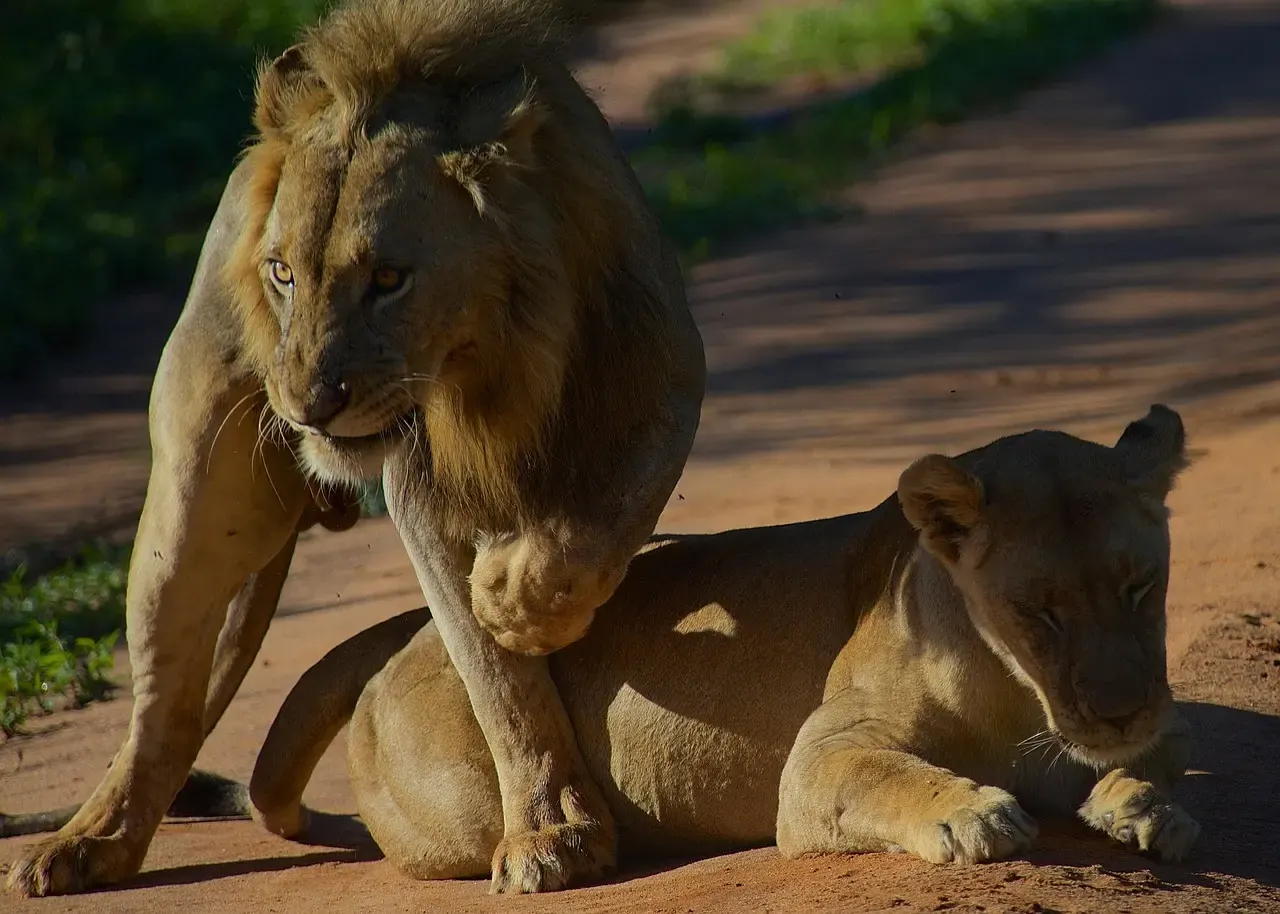
 6 Days / 5 NightsWildlife Safari
Tarangire · Lake Manyara · Serengeti · Ngorongoro
6 Days Tanzania Wildlife Adventure
A varied safari through four celebrated parks, from Rift Valley forests to Serengeti grasslands.

Start with one of our carefully paced private safaris, then adapt it around your dates, interests and preferred comfort level.
Explore all safaris
Connect legendary wildlife areas, volcanic highlands, Africa's highest mountain and the Indian Ocean.
View all destinations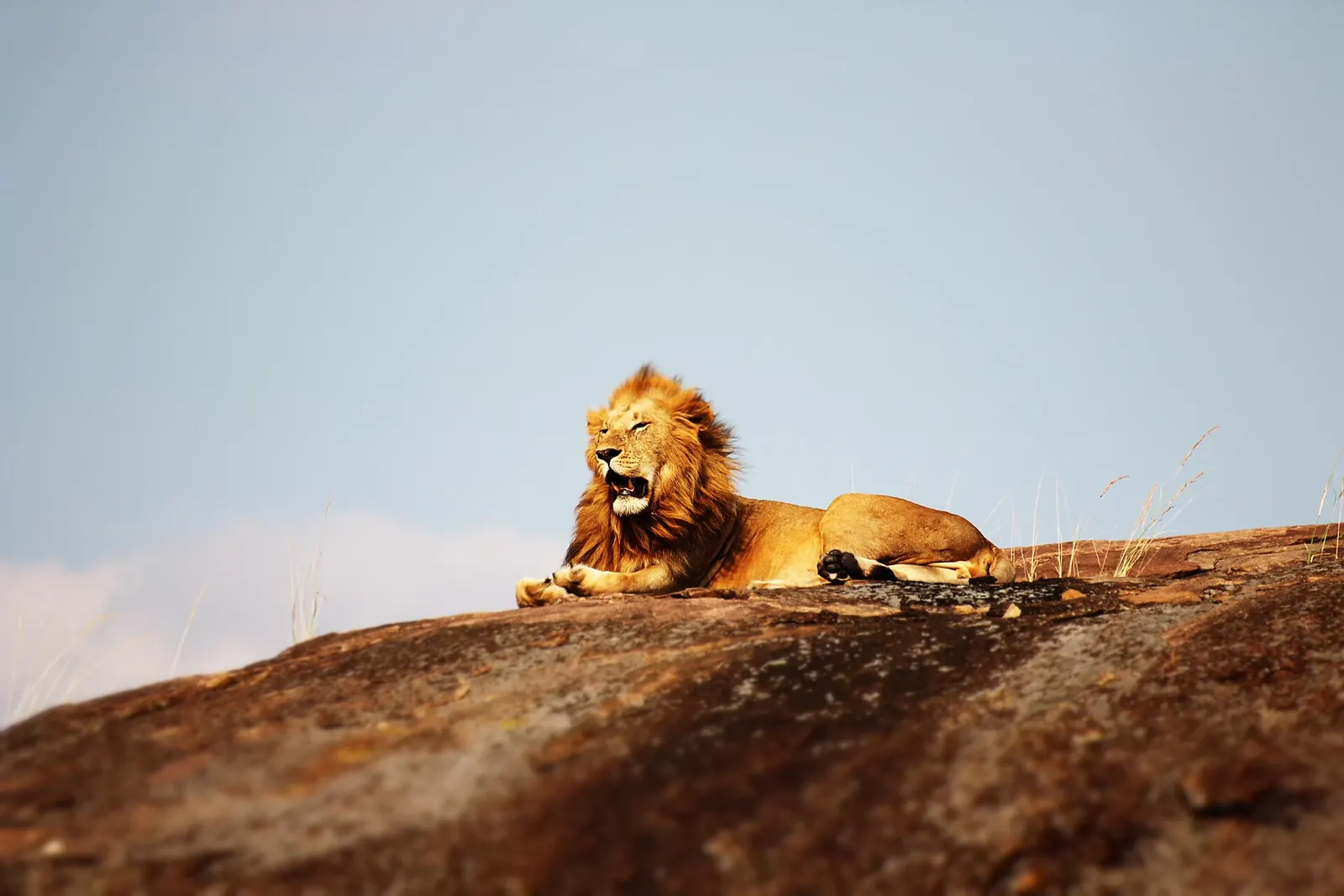
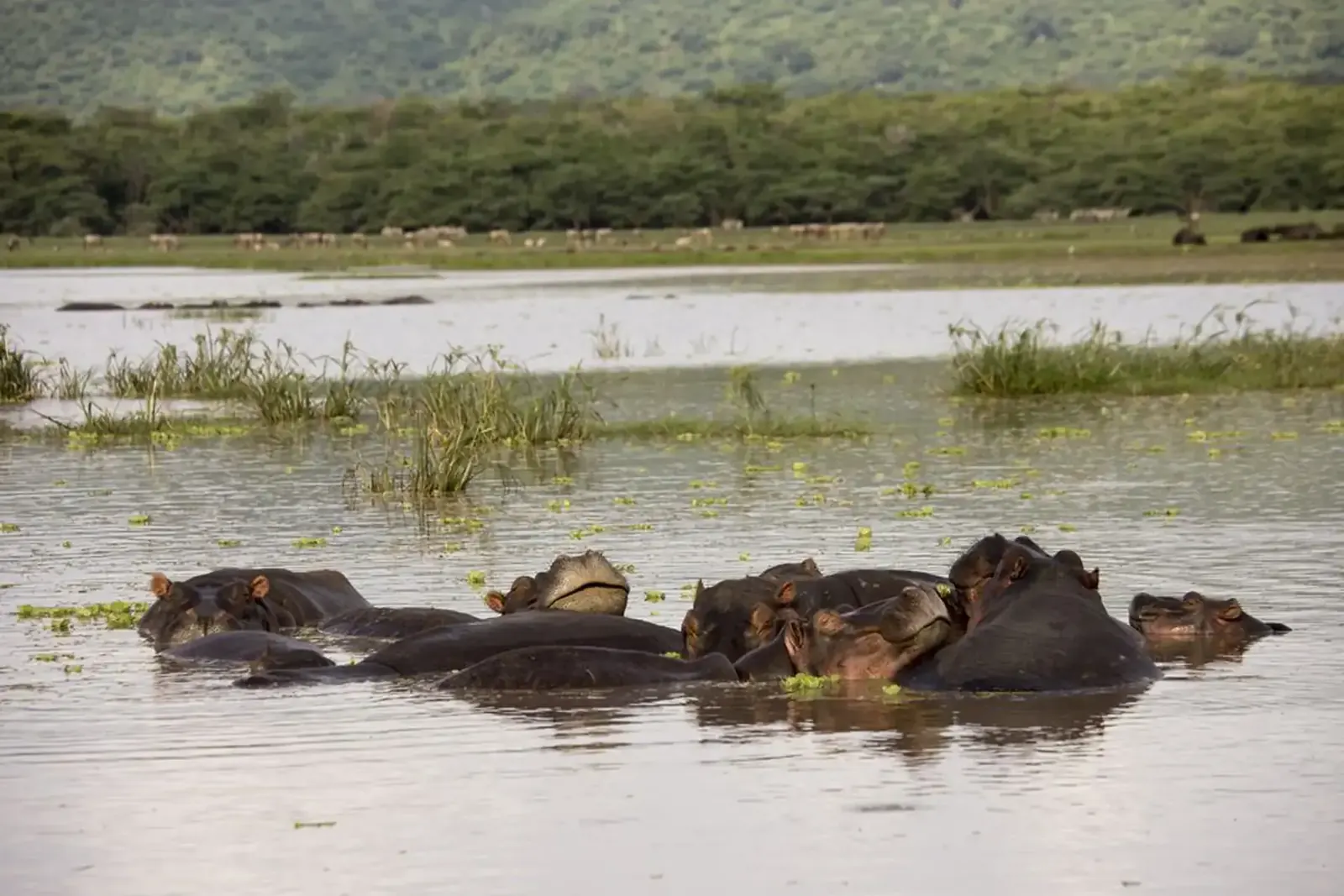
Rift Valley forest, flamingos and ecological variety.
A compact park beneath the escarpment, with groundwater forest, open floodplains and rich birdlife.
Lake Manyara National Park sits at the foot of the Great Rift Valley escarpment. In a single drive you pass from lush groundwater forest to acacia woodland, open floodplains and the alkaline lake shore.
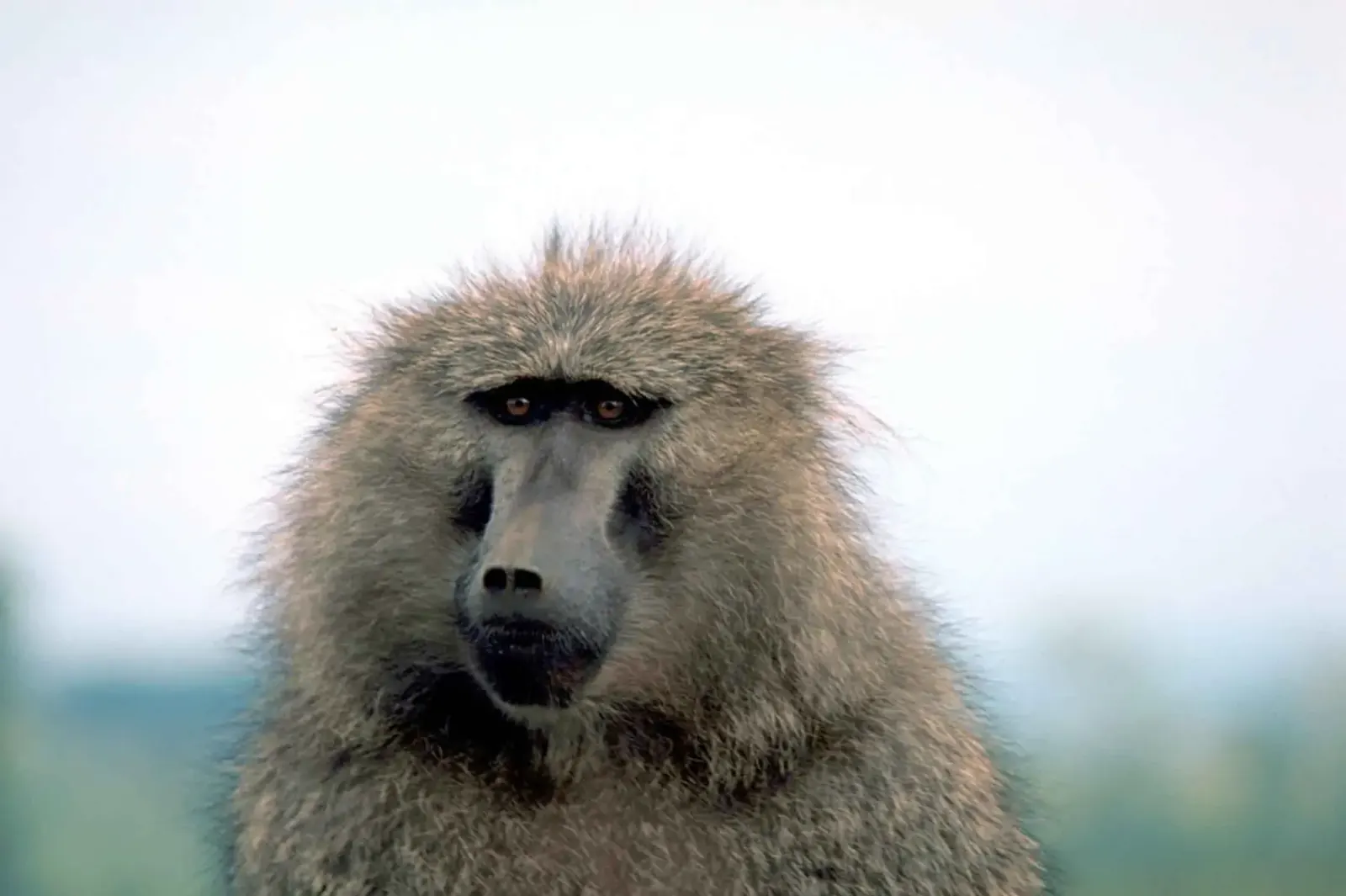
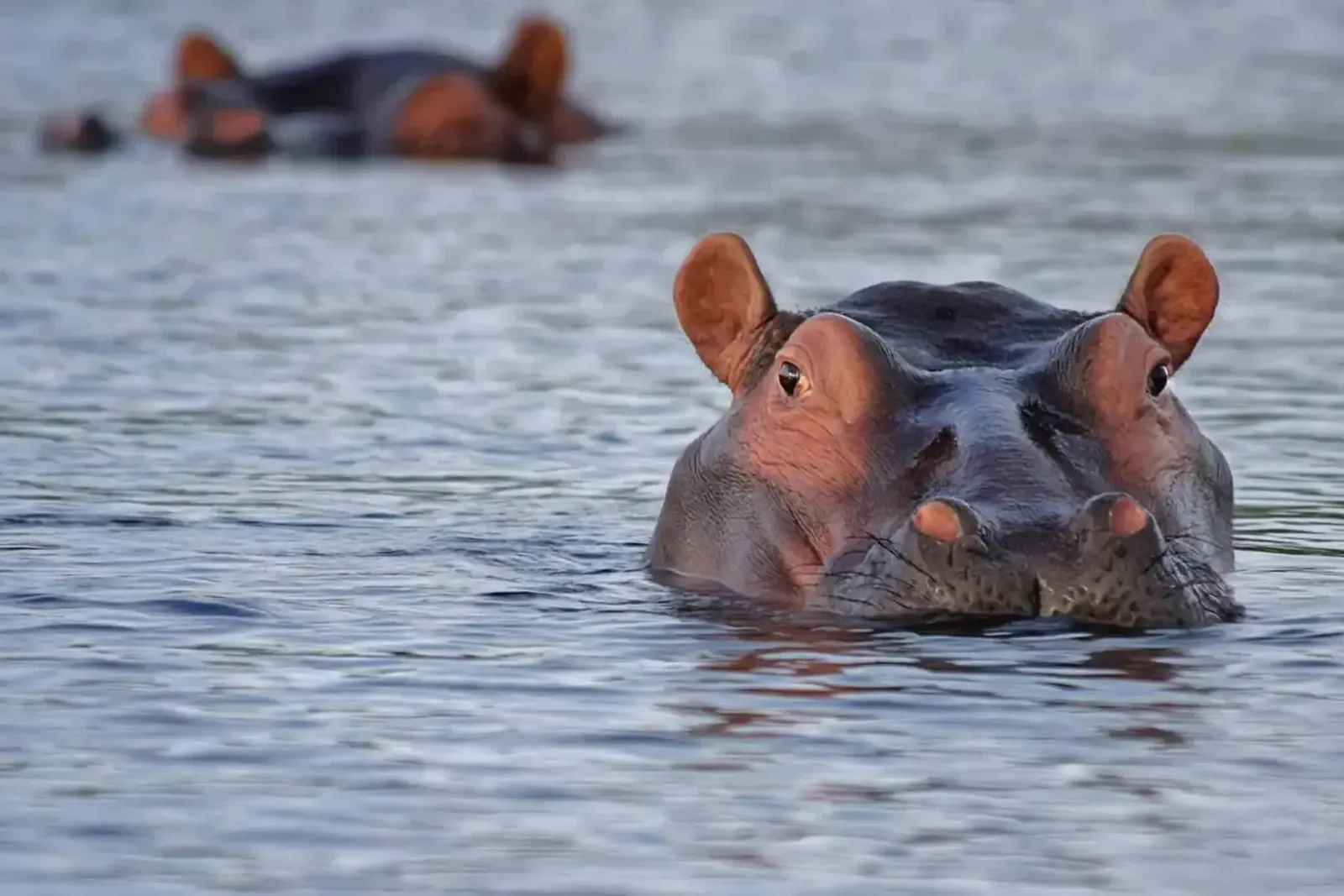
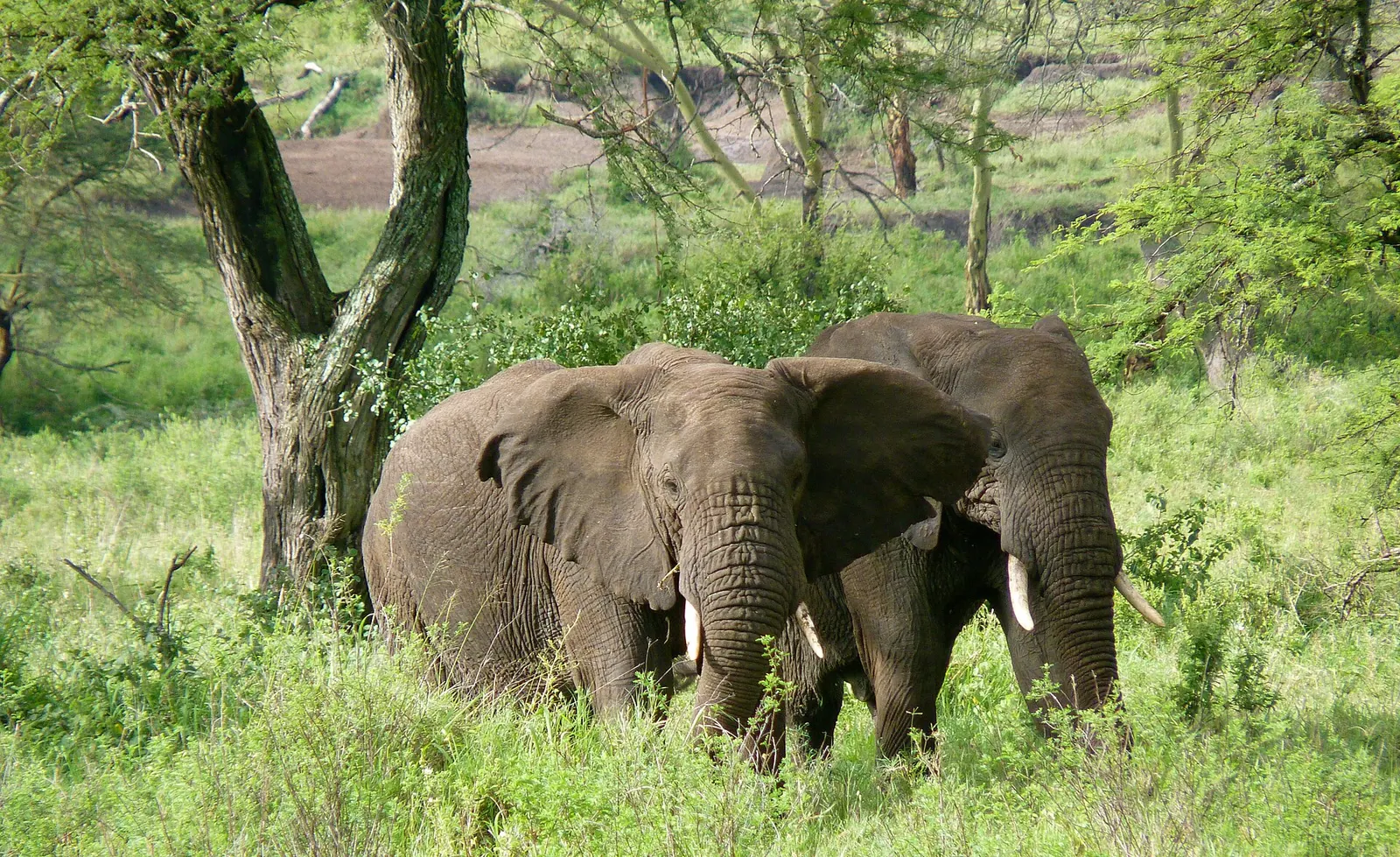
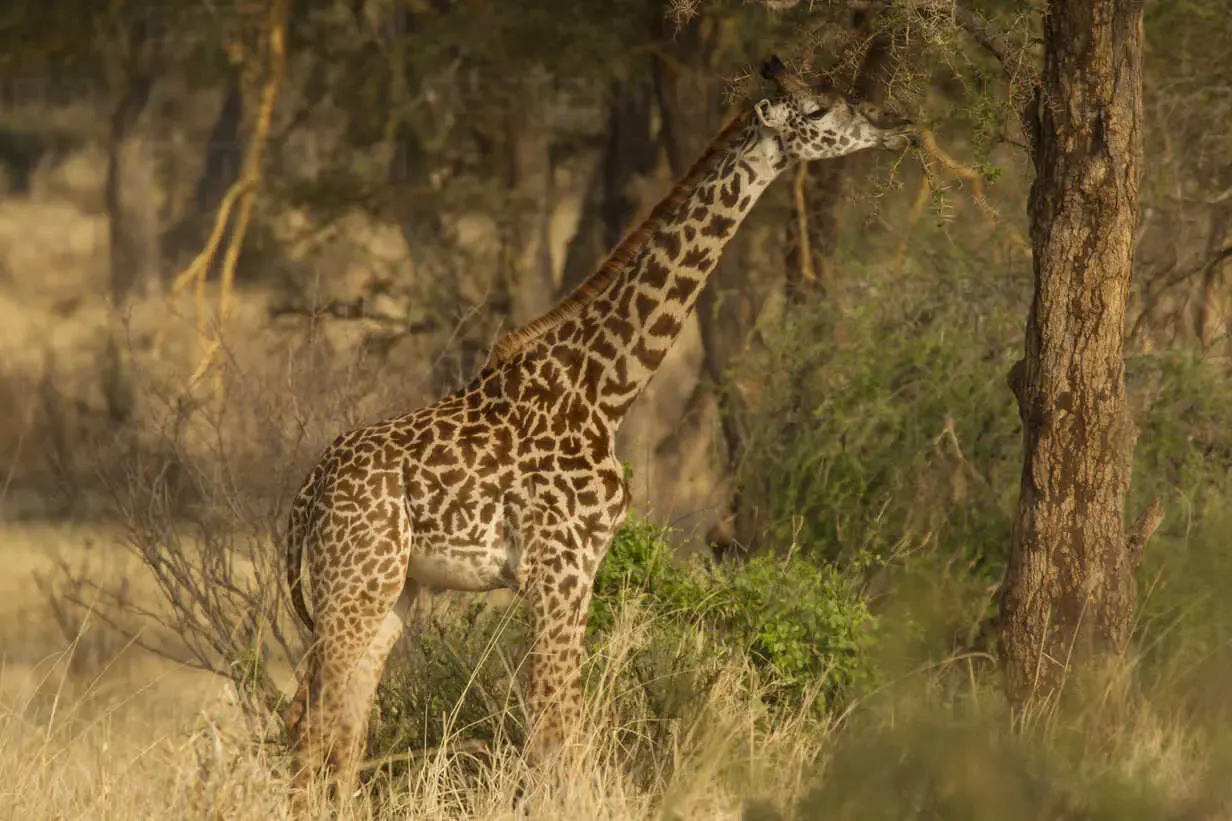
The forest is home to large troops of olive baboons and blue monkeys, while elephants, giraffes, buffalo and hippos move between the woodland and the lake. Seasonal flocks of flamingos and pelicans make it a rewarding park for birders.
Because it is compact, Manyara works well as a half-day or full-day visit on the way to Ngorongoro and the Serengeti, or as a gentle introduction for families.
Lake Manyara is about two hours' drive from Arusha. The park gate is beside the village of Mto wa Mbu on the main road towards Ngorongoro.
A half-day to full-day game drive covers the main habitats. Many travellers combine it with Tarangire or the drive to Ngorongoro.
Lake Manyara is known for lions that rest in trees, though sightings are irregular. Your guide will look for them, but they are a bonus rather than a promise.
6 Days / 5 NightsWildlife SafariA varied safari through four celebrated parks, from Rift Valley forests to Serengeti grasslands.
 8 Days / 7 NightsLuxury Safari
An elevated private journey with generous game-drive time and characterful accommodations.
 7 Days / 6 NightsFamily Safari
A flexible family-friendly itinerary with manageable drive times and engaging wildlife experiences.